

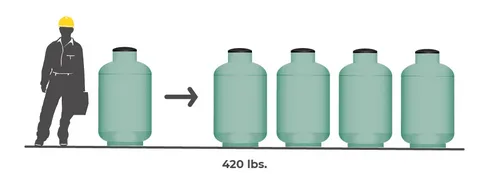
Choosing the right propane tank is one of the most important decisions a homeowner can make when switching to or maintaining a propane system. The size of your tank directly affects comfort, efficiency, safety, and long term cost. At Amicalola Propane, helping North Georgia homeowners understand their options and select the correct tank for their needs is a core part of the service experience. This guide walks you through everything you need to know about propane tank sizes for homes so you can make a confident, informed decision.
Why Propane Tank Size Matters for Homeowners
Propane is a reliable and efficient energy source, but its performance depends heavily on tank capacity. A tank that is too small may require frequent refills and risk running out during peak usage. A tank that is too large can increase upfront costs without delivering added value.
Understanding residential propane tank sizes helps balance daily energy needs with seasonal demand, ensuring your home stays warm, functional, and efficient year round.
Common Residential Propane Tank Sizes Explained
Small Propane Tanks for Light Household Use
Smaller tanks, typically ranging from 100 to 250 gallons, are often used for limited propane applications. These tanks are suitable for homes that rely on propane for one or two appliances, such as a cooking range, fireplace, or outdoor grill.
While these tanks take up less space and have a lower initial cost, they may not be ideal for homes using propane as a primary energy source. Frequent refill schedules can become inconvenient, especially during winter months.
Mid Size Tanks for Moderate Energy Needs
The 500 gallon tank is one of the most popular propane tank options for homeowners. It offers a strong balance between capacity and efficiency and works well for homes that use propane for heating, water heaters, and multiple appliances.
From a propane safety standpoint, this size also provides more stable pressure and fuel availability during high demand periods, reducing the risk of system strain or unexpected outages. When properly installed and maintained, mid size tanks support consistent performance while meeting safety standards required for residential propane systems.
Large Propane Tanks for High Consumption Homes
For larger homes or properties with extensive propane usage, 1000 gallon tanks or larger may be the best solution. These tanks are commonly used when propane powers whole home heating systems, generators, pool heaters, and multiple appliances.
A larger propane tank capacity for houses like this ensures fewer refills, more consistent pressure, and improved reliability during peak seasons. These tanks are often installed underground or in discreet locations to maintain property aesthetics.
How to Determine the Right Propane Tank Size
Assessing Your Household Energy Usage
A reliable home propane tank size guide starts with understanding how propane will be used in your home. Heating systems typically consume the most fuel, followed by water heaters, stoves, fireplaces, and backup generators.
Homes that rely on propane as their primary heating source require significantly more capacity than those using it for supplemental purposes. Evaluating usage patterns helps avoid under sizing or over investing in tank capacity.
Considering Seasonal Demand
Propane usage is rarely consistent throughout the year. Winter months place higher demands on heating systems, which can rapidly deplete smaller tanks. Choosing the right propane tank size means planning for peak usage rather than average consumption.
A slightly larger tank can provide peace of mind during cold spells and reduce the risk of emergency refills when demand is highest.
Factoring in Property Size and Layout
Available space plays a key role in tank selection. Above ground tanks require clearances for safety and service access, while underground tanks require excavation and proper site preparation.
Experienced providers like Amicalola Propane evaluate property layout, local regulations, and access points to recommend safe and practical installation options.
Above Ground vs Underground Propane Tanks
Benefits of Above Ground Tanks
Above ground tanks are easier to install and typically cost less upfront. They allow for quick inspections and easier maintenance, making them a popular choice for many homeowners.
These tanks are often used for residential propane tank sizes up to 500 gallons and are ideal for properties with sufficient outdoor space.
Advantages of Underground Tanks
Underground tanks offer aesthetic benefits and improved protection from weather conditions. They are often preferred for larger propane tank options for homeowners who want a clean landscape appearance.
Although installation costs are higher, underground tanks can enhance property value and provide long term durability when properly maintained.
Safety and Compliance Considerations
Proper Installation and Inspection
Tank size selection is closely tied to safety. Larger tanks require specific setbacks, anchoring, and leak testing before use. Professional installation ensures compliance with local safety codes and industry standards.
Routine inspections and leak checks are essential, especially when upgrading or replacing a tank. This protects both your property and your family.
Working With Certified Technicians
Choosing the right propane tank size is not a one size fits all decision. Certified technicians evaluate usage needs, terrain, and system compatibility before making recommendations.
Amicalola Propane technicians are SEPATEC certified and experienced in residential installations, ensuring every system is installed safely and correctly.
Long Term Cost Efficiency of the Right Tank Size
Reducing Delivery Frequency
Larger tanks reduce the number of deliveries needed each year, which can lower overall costs and minimize service interruptions. Fewer deliveries also mean less risk during severe weather when access may be limited.
Avoiding Emergency Refills
Running out of propane during winter can lead to emergency delivery fees and system downtime. Choosing the right propane tank size helps maintain steady fuel levels and predictable costs.
Planning for Future Needs
Home upgrades such as adding gas logs, heaters, or converting appliances to propane can increase fuel demand. Selecting a tank with room for growth prevents costly replacements later.
Making the Right Choice With Expert Guidance
Understanding propane tank sizes for homes empowers homeowners to make decisions that improve comfort, safety, and efficiency. From small tanks for limited use to large capacity systems for whole home heating, the right choice depends on careful evaluation and professional insight.
If your current tank no longer meets your needs or shows signs of age or wear, upgrading may be the safest option. Working with a trusted local provider ensures your system is designed to support your home today and into the future. When it comes time to upgrade, Professional Propane Tank Replacement services from experienced technicians help ensure a smooth transition, proper sizing, and dependable performance for years to come.