

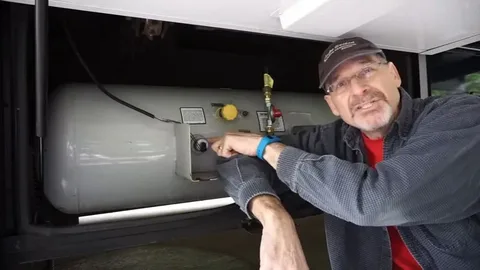
Propane is one of the most reliable and efficient energy sources for homes in North Georgia—powering everything from heating systems and water heaters to fireplaces, stoves, and outdoor living areas. But before you can enjoy all the benefits of propane, the first step is proper propane tank installation.
Whether you’re switching from another energy source or setting up propane for the first time, understanding what happens during a professional installation will help you feel confident and prepared. A well-executed installation ensures safety, efficiency, and long-term performance for your home’s energy needs.
This guide walks you through exactly what to expect during a propane tank installation—from initial consultation to final safety checks—so you can make informed decisions every step of the way.
Why Professional Installation Matters
Installing a propane tank isn’t a do-it-yourself project. It involves specialized knowledge, safety certifications, and adherence to strict state and national regulations. Choosing a professional propane service ensures that your tank is installed safely, efficiently, and in compliance with all local codes.
Safety and Compliance
Propane is extremely safe when handled properly, but it requires precision. Certified propane technicians know how to inspect the site, handle pressurized gas, and ensure all connections are secure and leak-free.
Long-Term Efficiency
A properly installed propane system doesn’t just keep you safe—it helps your appliances operate at peak efficiency. Poor installation can lead to uneven gas flow, reduced appliance performance, and potential long-term issues.
Peace of Mind
Working with a trusted local company like Amicalola Propane means you can relax knowing that experienced, certified technicians are managing your installation with care, accuracy, and professionalism.
Step 1: Site Evaluation and Consultation
The propane installation process begins with an on-site consultation. This is where your propane provider evaluates your property, discusses your energy needs, and recommends the best setup for your home.
Choosing the Right Tank Size
Propane tanks come in a variety of sizes, typically ranging from 100 gallons for small uses to 500 or 1,000 gallons for whole-home systems. The technician will help you determine the right size based on your home’s heating demands, number of propane-powered appliances, and overall usage goals.
Above Ground vs Underground Propane Tanks
A major decision during planning is whether to install your tank above ground or underground:
- Above Ground Tanks:
These are quicker to install, easier to access for maintenance, and typically cost less. They’re a great choice for homes with enough outdoor space and minimal aesthetic concerns. - Underground Tanks:
These are buried below the surface, offering a cleaner look and better protection from weather conditions. While they require more initial labor, underground tanks can add long-term value and safety to your property.
Your technician will explain both options in detail, helping you choose what fits best with your property layout, budget, and preferences.
Step 2: Permitting and Safety Planning
Before installation begins, your propane provider will handle the necessary permits and ensure compliance with local regulations. This step is crucial for residential propane installation, as safety codes govern everything from tank placement to distance from buildings and property lines.
Safety Requirements Include:
- Minimum distance from your home and other structures
- Proper ventilation for tank and appliance areas
- Ground stability for tank placement
- Accessibility for refilling and maintenance
Professional propane companies like Amicalola Propane handle all of this paperwork and planning for you, ensuring your installation is fully compliant with Georgia safety standards.
Step 3: Preparing the Installation Site
Once permits are secured, the installation team will prepare your property for the tank setup.
Site Preparation
The technicians will clear and level the ground where the tank will be placed or excavate the area if you’ve chosen an underground tank. Proper foundation and support are essential to prevent shifting, tilting, or leaks over time.
Line Trenching and Placement
For underground systems, a trench will be dug from the tank location to your home where the propane lines will be run. These lines are buried safely and tested for pressure and leaks before being connected to your home’s appliances.
Step 4: Propane Tank Setup and Installation
Now it’s time for the main event—your propane tank installation.
Installing the Tank
Certified technicians carefully position the tank in the prepared location. For above-ground tanks, they’ll secure it on a stable concrete or gravel pad. For underground tanks, the tank will be safely lowered into the ground, covered, and pressure-tested before being connected.
Connecting the System
Next, technicians run propane lines to your home’s gas-powered systems. This step includes installing regulators, valves, and fittings that ensure proper gas flow and safety. Every connection is double-checked for leaks and tested under pressure.
Propane Fill and System Start-Up
Once the setup is complete, your provider will fill the tank with propane for the first time. They’ll then start your home propane system and verify that all appliances are functioning correctly.
Step 5: Safety Testing and Inspection
Before completing the job, a certified technician conducts a full system inspection.
Leak and Pressure Testing
Technicians use specialized equipment to check for leaks at all joints, fittings, and valves. They also confirm that the system maintains proper gas pressure for optimal performance.
Appliance Testing
Your propane-powered appliances—such as heaters, stoves, water heaters, and fireplaces—will be tested to ensure they’re properly connected and burning fuel efficiently.
Safety Education for Homeowners
After testing, the technician will walk you through propane tank safety tips, explaining how to monitor your system, check gauge levels, and recognize warning signs of potential issues. You’ll also learn what to do in the rare event of a leak or emergency.
Step 6: Scheduling Ongoing Service and Delivery
Once your system is installed and ready, your propane provider will set up your delivery schedule.
Regular Refills
Most homeowners opt for automatic delivery, ensuring your tank is refilled before it runs low. This eliminates the need for constant monitoring—especially during the colder months when demand increases.
Maintenance Plans
Regular maintenance keeps your system in top shape. Professional propane companies offer periodic inspections and service plans to ensure everything remains safe and efficient year after year.
24/7 Support
A reliable local propane company near me should always be available to assist in case of emergencies, repairs, or unexpected delivery needs. Amicalola Propane provides responsive local service to ensure your home comfort is never disrupted.
Why Choose Amicalola Propane for Your Installation
When it comes to safe, efficient, and affordable propane delivery and installation, homeowners across North Georgia trust Amicalola Propane for their experience and reliability.
Certified and Experienced Technicians
Amicalola Propane’s SEPATEC-certified technicians have extensive hands-on experience with both residential and commercial propane systems. Every job is performed according to strict safety and quality standards.
Local Service You Can Trust
As a family-owned company, Amicalola Propane combines technical expertise with a personal touch. Their team understands local regulations, terrain, and weather conditions—ensuring your installation is tailored to your specific property needs.
Comprehensive Propane Services
From new tank installations and conversions to leak checks, repairs, and delivery, Amicalola Propane offers complete propane solutions under one roof. You’ll enjoy dependable fuel delivery and professional support year-round.
Final Thoughts
A professional propane tank installation is more than just placing a tank—it’s the foundation for your home’s comfort and energy efficiency. From site evaluation and permitting to safety checks and ongoing maintenance, every step matters.
By working with an experienced provider like Amicalola Propane, you can expect a seamless process handled with care, expertise, and transparency. Their certified technicians ensure your system is installed safely, your fuel is delivered reliably, and your home stays warm all year long.
If you’re considering a new propane setup or upgrading your existing system, now is the perfect time to schedule your installation. Trust your local experts to get it done right—the first time.