

Switching from electric to propane can be a smart move for homeowners looking to improve energy efficiency, reduce utility bills, or gain more control over home heating. At Amicalola Propane, we often guide homeowners through the process of converting their homes safely and effectively. However, before making the transition, there are several key factors to consider to ensure a smooth and cost-effective conversion.
Understanding Electric to Propane Conversion
What Electric to Propane Conversion Means
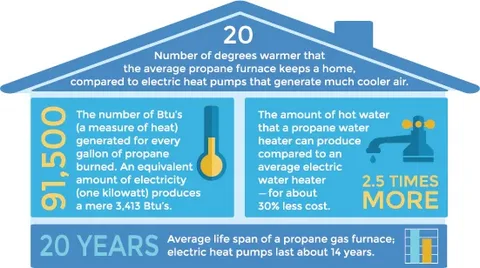
Electric to propane conversion involves replacing your existing electric appliances and systems with propane-powered alternatives. This can include water heaters, furnaces, stoves, and space heaters. Propane, a clean-burning fuel, often provides faster heating and lower energy costs compared to traditional electric systems.
Benefits of Converting to Propane
- Energy efficiency: Propane burns hotter than electricity, which can translate into quicker heating and cooking.
- Cost savings: Depending on local electricity rates, propane may offer lower monthly energy bills.
- Reliability: Propane systems continue to operate during power outages, providing consistent home comfort.
Evaluating Your Home’s Propane Needs
Assessing Your Current Appliances
Before converting, evaluate which electric appliances can be replaced with propane alternatives. Some systems, like electric baseboard heaters, may require a full propane furnace or wall heater. Kitchen appliances, such as stoves or ovens, can also be converted, but each requires careful planning to ensure compatibility and safety.
Determining Propane Load Requirements
Your home’s propane load depends on factors such as square footage, insulation, and the number of appliances you plan to convert. Consulting with a professional helps determine the proper tank size, burner capacities, and overall system design. This ensures your home receives consistent energy without frequent refills.
Electric vs Propane Energy Comparison
Cost Considerations
Electricity costs can fluctuate based on your region and season, while propane pricing tends to be more stable. Homeowners should compare long-term energy costs, including installation and maintenance, to determine potential savings. Many find that propane heating and cooking offer noticeable reductions in monthly utility bills.
Environmental Impact
Propane is a clean-burning fuel, producing fewer greenhouse gases than coal-powered electricity. Converting to propane may reduce your home’s carbon footprint while maintaining comfort and efficiency.
Installation and Conversion Costs
Electric to Propane Conversion Cost
The cost of converting electric systems to propane varies based on the number of appliances, the type of propane system, and labor fees. A typical residential propane conversion may include new appliances, installation of gas lines, and safety inspections. Obtaining multiple quotes from licensed professionals ensures transparency and cost-effectiveness.
Professional Installation is Essential
Working with certified technicians guarantees safe and reliable installation. Improper setup can lead to safety hazards such as leaks or inefficient system performance. Amicalola Propane emphasizes professional installation to maintain household safety and efficiency.
Propane Appliance Conversion Considerations
Selecting the Right Appliances
Not all appliances are easily convertible. Some may need full replacement rather than modification. Evaluate options for furnaces, water heaters, ovens, and fireplaces to identify suitable propane alternatives.
Maintenance and Longevity
Propane appliances typically require routine maintenance, including burner cleaning and system checks. Proper care extends appliance life and ensures consistent performance. Comparing maintenance requirements with your current electric appliances helps gauge long-term costs and convenience.
Safety and Compliance
Understanding Local Codes
Local regulations and building codes may affect propane installation. Ensure all permits and inspections are completed before conversion to comply with safety standards. Certified professionals can handle code compliance and provide peace of mind.
Leak Detection and Safety Devices
Propane systems should include leak detectors, automatic shut-off valves, and proper ventilation. These safety measures minimize risks associated with fuel use and are standard practice in residential propane conversions.
Making the Final Decision
Converting electric to propane at home is an investment that can yield energy efficiency, reliability, and cost savings. By carefully evaluating appliance compatibility, energy costs, installation expenses, and safety requirements, homeowners can make an informed decision. For those considering propane installation, understanding propane tank sizes for homes is essential to ensure adequate supply and uninterrupted comfort.